Life after dark but how much longer?
UK’s music venues down on their knees
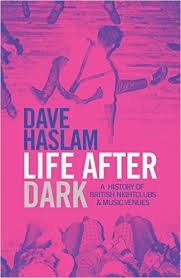 Just as I finished Dave Haslem’s entertaining new book, Life After Dark, A History of British Nightclubs and Music Venues, I read that the UK music venue and nightclub industry is on its knees. Almost half have closed in the last ten years, say the newspapers. Some 3,144 venues offered late night music and dancing in 2005. Now just 1,733 clubs remain. The main causes are said to be Britain’s smoking ban, tighter bureaucracy, fall in alcohol consumption due to increased taxes, lack of policing therefore more complaints from neighbours and the aftermath of the financial crisis. Another reason given is that dating apps like Tinder and Grindr are allowing people to hook-up on line instead of going to nightclubs to pull.
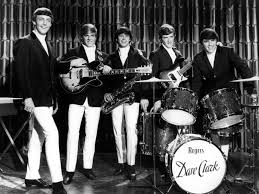 |
| It’s been a long time since we’ve seen a pic of the Dave Clark Five |
Highlights from Haslem’s music venue history include partygoers so drugged up at a rave near Maidenhead in 1989 they were ripping the heads off pigeons. In Coventry, the Locarno dancehall banned DJs from playing Glad All Over by the Dave Clark Five in 1964 because the wooden dance floor couldn’t take 2,000 feet stamping to the chorus in unison. The year before, Bob Dylan had played the Troubadour club in London’s Earls Court, remarking that “the English can do with twist by moving only one leg”. In reality, they were probably Australians doing the one-legged twist because Earls Court was chock full with Aussies in 1963. So much so, Londoners called the neighbourhood ‘Kangeroo valley’.
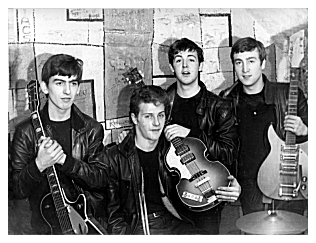 |
| The Beatles back in their Cavern days |

In London’s 19th century music halls, ‘bare-necked, lightly dressed girls and foreign sailors in various stages of intoxication’ were commonplace. At Soho’s Gargoyle Club, founded in the late 1920s, Henri Matisse, a member, did the interiors. Other patrons included Tallulah Bankhead, Fred Astaire and Noel Coward.